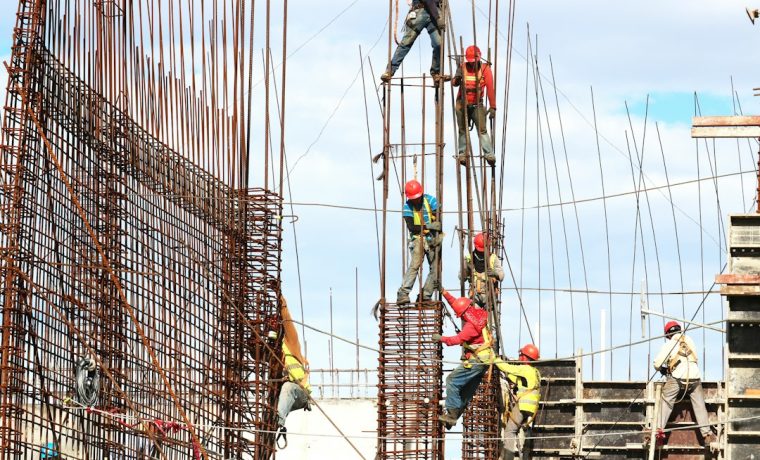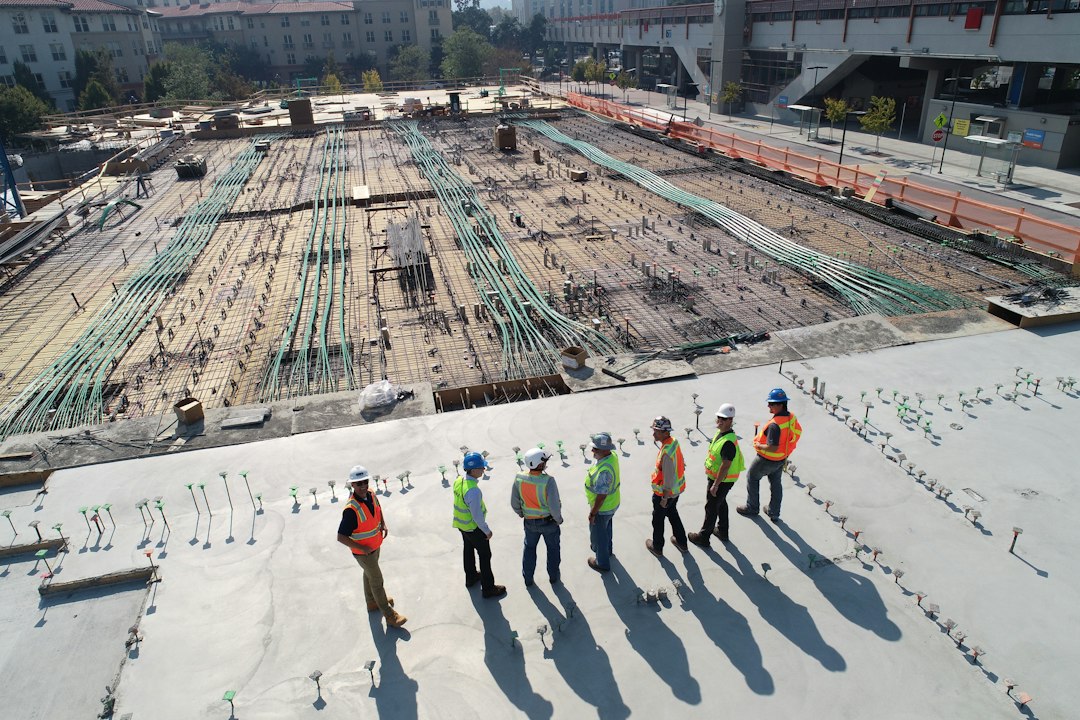
A successful construction project rarely begins with equipment arriving at the site. It begins with a clear plan: a realistic scope, coordinated drawings, a dependable schedule, an understood budget, and a team that knows who is responsible for each decision. When these pieces are aligned early, the work is easier to manage and surprises are less likely to become expensive delays.
Start with a complete scope of work
The scope should describe what is included, what is excluded, the expected quality level, and the conditions that could change the work. Vague descriptions create different expectations between owners, designers, contractors, and subcontractors. Before mobilization, review drawings and specifications together. Identify missing dimensions, unclear finishes, utility assumptions, access restrictions, and work that depends on another trade. A written clarification is usually cheaper than correcting completed work.
Build a schedule around real dependencies
A useful schedule is more than a list of target dates. It shows the order in which tasks can happen and the information or approvals each task needs. For example, framing may depend on foundation inspections, while rough-in work depends on framing being complete and accessible. Long-lead materials such as windows, mechanical equipment, structural components, and specialty finishes should be identified early. Confirm lead times with suppliers rather than relying on estimates from an old project.
Break major phases into measurable activities. Assign an owner to each activity and review progress regularly. A short weekly coordination meeting can reveal a late submittal or delivery before it affects several crews. Keep a record of decisions, open questions, and schedule changes so everyone works from the same information.
Make the budget visible
A dependable budget connects each cost to the scope and schedule. Include labor, materials, equipment, permits, inspections, temporary facilities, waste handling, and reasonable contingency. Separate committed costs from estimates that still need confirmation. When a change is requested, document its cost and schedule effect before the work proceeds whenever practical. This protects the owner from surprises and helps the contractor maintain accurate cost forecasts.
Coordinate safety and quality from day one
Safety planning should reflect the actual site: access routes, overhead work, excavation, lifting operations, electrical hazards, weather exposure, and public protection. Quality planning should identify inspections and hold points before work is concealed. Photograph important stages, track approved submittals, and correct deficiencies promptly rather than carrying them into later phases.
Use communication as a project control
Clear communication is a practical construction tool. Establish who can approve changes, how requests are submitted, where current drawings are stored, and how urgent issues are escalated. A single source of current information reduces rework caused by outdated plans or conflicting instructions.
The value of preparation
Good planning cannot eliminate every unknown condition, but it gives the team a process for responding. A well-defined scope, realistic sequencing, transparent cost tracking, and consistent coordination create a stronger foundation for a safe, efficient project. For owners planning a build, the best first step is a detailed conversation about goals, constraints, priorities, and decisions that need to be made before construction begins.
Keep the plan useful as conditions change
Construction planning should be reviewed as new information becomes available. Weather, inspection findings, supplier updates, and owner decisions can all affect the sequence. When a milestone moves, look at the activities that depend on it and agree on a recovery plan that does not compromise safety or workmanship. Record the reason for the change, the revised responsibility, and the next review date. Owners can help by providing selections and approvals by the dates agreed with the team. Contractors can help by reporting risks early, presenting options, and explaining the cost and schedule consequences of each option. This shared approach turns the original plan into a working management tool rather than a document that is forgotten after mobilization. It also gives the project team a clearer way to distinguish unavoidable changes from issues that could have been prevented through earlier coordination.