Homeowners often notice construction quality through the finished surfaces: straight trim, smooth paint, well-fitted cabinets, and clean flooring. But many of the most important quality decisions happen earlier, when foundations, framing, waterproofing, insulation, and mechanical systems are still visible. Understanding the major checkpoints helps owners ask informed questions and keep a useful record of the work.
Before construction: confirm the documents
Begin with approved plans, specifications, selections, and permit requirements. Make sure the project team is working from the current revision. Confirm who is responsible for inspections, submittals, and documenting changes. If a product or detail is unclear, resolve it before installation. Written decisions reduce misunderstandings about scope and finish expectations.
Site preparation and foundation
Site work establishes the conditions for everything that follows. Review grading, drainage, access, and protection of adjacent property. Foundation work should follow engineered documents and local requirements, including reinforcement, dimensions, concrete placement, and required inspections. Waterproofing and drainage details deserve attention because water problems can be difficult and expensive to correct after the home is complete. Owners should rely on qualified inspectors and the construction professionals responsible for the work rather than attempting technical evaluations themselves.
Framing and structural coordination
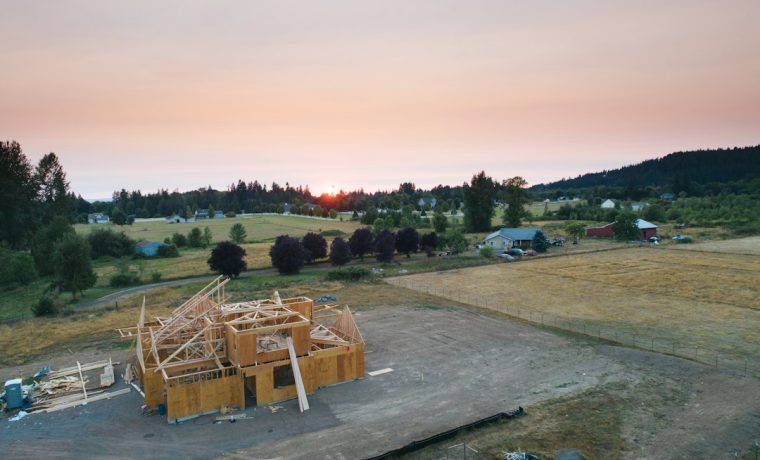
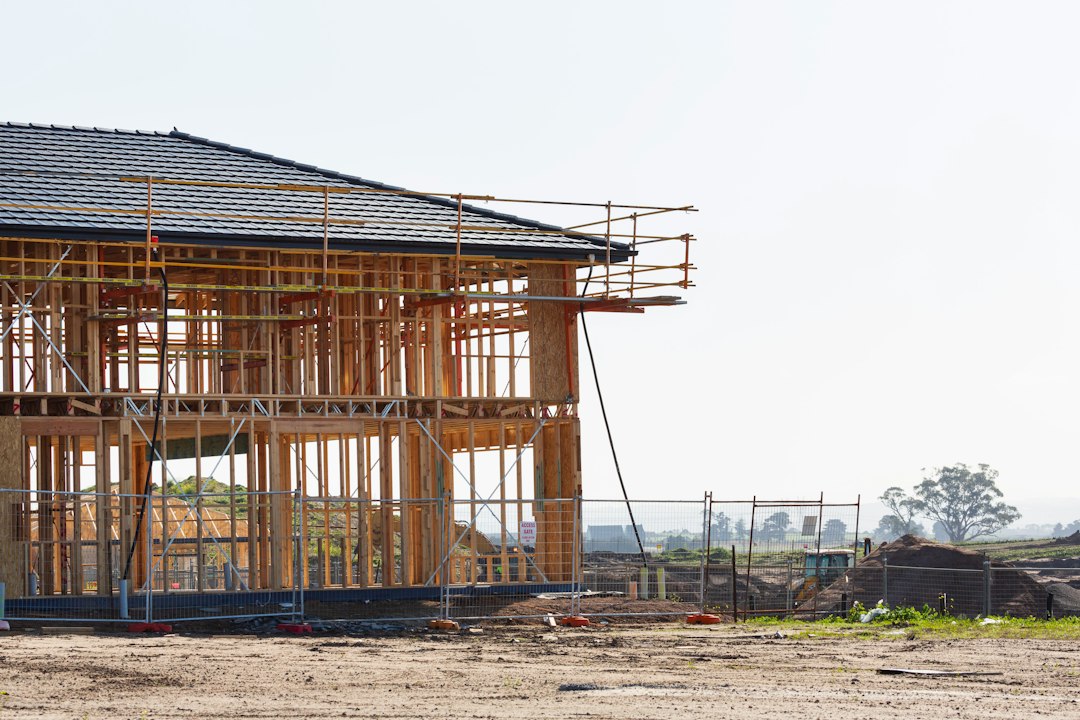
Framing defines the shape and structure of the home. Check that changes are documented and that openings, beams, connections, and load-bearing elements match approved plans. Mechanical, electrical, and plumbing routes should be coordinated so that trades do not cut or alter structural components without authorization. Photographing key areas before they are covered can help with future maintenance and renovations.
Roofing, windows, and water management
Roofing and exterior openings are part of a connected water-control system. Flashing, underlayment, drainage paths, window installation, and exterior transitions should follow approved details. Look for completed inspections and documented corrections. The objective is not simply to install attractive products; it is to manage water reliably through the life of the building.
Rough-ins and concealed work
Before insulation and drywall, confirm that required rough-in inspections have taken place. Verify that plumbing, electrical, and mechanical work is coordinated and that access panels or service clearances are planned. Insulation and air sealing should be checked before they disappear behind finishes. Keep records of equipment models, shutoff locations, circuit information, and photographs where appropriate.
Finishes and final walkthrough
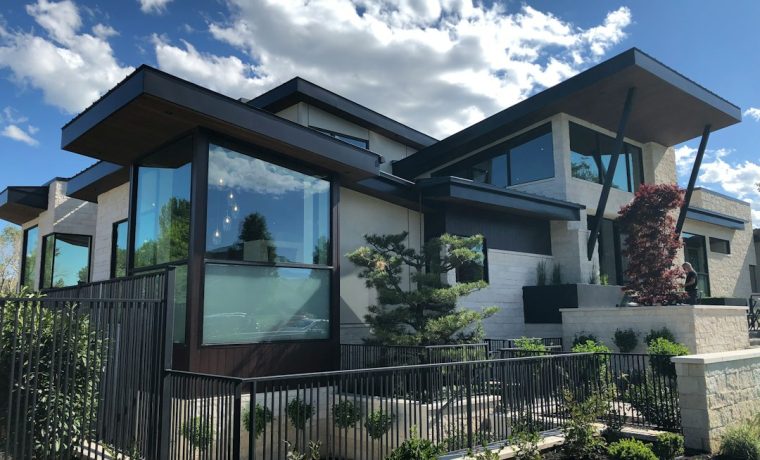
As finishes are installed, compare them with approved selections and samples. Review transitions, alignment, operation of doors and windows, cabinetry, tile, flooring, fixtures, and paint under normal lighting. Create a written punch list with specific locations and agreed completion dates. Test systems and confirm that manuals, warranties, and maintenance information are included in the closeout package.
Quality is a process, not a final inspection
Consistent quality comes from clear documents, qualified work, timely inspections, and prompt correction of issues. Homeowners can support the process by making decisions on time, keeping records, and directing technical questions to the appropriate professionals. A stage-by-stage approach makes it easier to understand progress and helps protect the investment long after move-in.
Keep a record that supports future maintenance
During construction, collect approved product data, inspection records, photographs of concealed work, equipment model numbers, and warranty information. Organize these items by system or room so they are easy to find. A homeowner may later need to locate a shutoff, identify a wire route, replace a filter, or match a finish. The closeout package should also explain routine maintenance and any seasonal tasks. Make sure unresolved punch-list items have a clear owner and completion date. This record is not just administrative; it gives the homeowner useful information about the building and makes future service more efficient. A final walkthrough is more productive when questions can be answered with accurate project records rather than memory.