An energy-efficient home is not defined by one product or a single piece of equipment. Comfort and energy use are shaped by the way the building envelope, windows, air sealing, ventilation, shading, and mechanical systems work together. Planning these elements as a complete system can help homeowners create spaces that feel more consistent throughout the year and are easier to operate.
Start with the building envelope
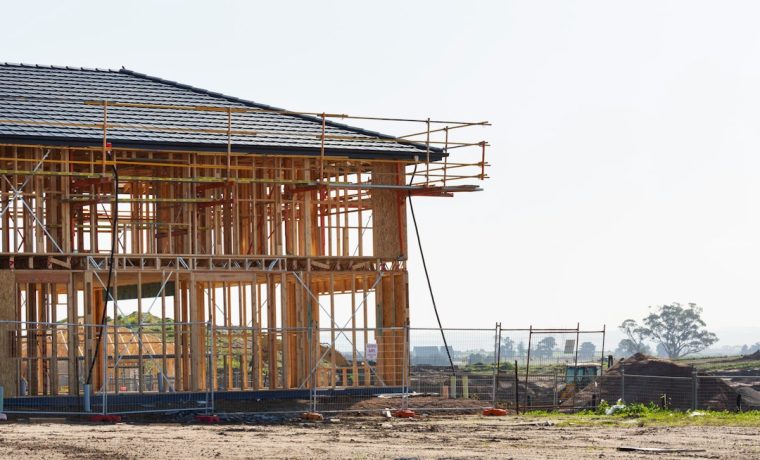
The roof, walls, foundation, windows, and doors form the boundary between indoor and outdoor conditions. Insulation slows heat transfer, while air sealing reduces uncontrolled drafts. Both matter. Gaps around penetrations, poorly sealed transitions, and unplanned openings can undermine otherwise good insulation. Details should be reviewed before they are concealed, and installation should follow the product manufacturer’s instructions and applicable building requirements.
Select windows for the climate and orientation
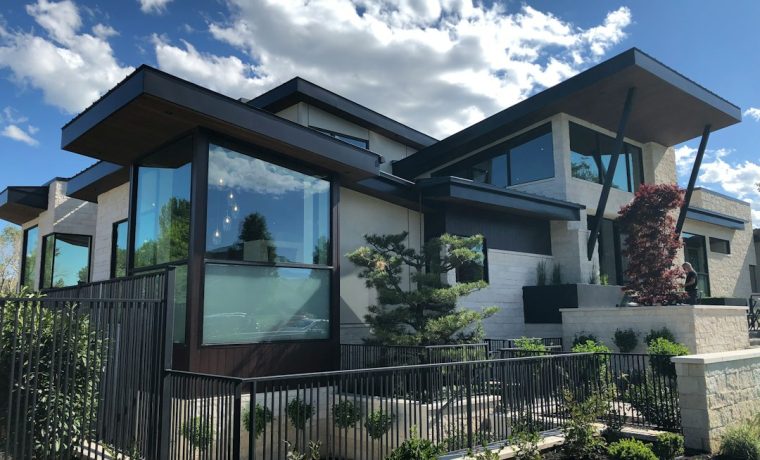
Window performance involves more than frame appearance. Glass properties, air leakage, solar heat gain, orientation, shading, and installation details all influence comfort. Large windows can provide daylight and views, but they may also create unwanted heat gain or heat loss depending on climate and direction. Exterior overhangs, thoughtful placement, and suitable glazing can help balance daylight with thermal performance.
Control moisture and provide ventilation
A tight home still needs appropriate fresh-air ventilation. Moisture from cooking, bathing, laundry, and occupants should be managed through effective exhaust and ventilation strategies. Assemblies should be designed to control water entry and allow appropriate drying. Avoid assuming that sealing every visible gap is enough; the complete wall and roof assembly needs a moisture strategy suited to local conditions.
Right-size heating and cooling equipment
Mechanical equipment should be selected based on a professional load calculation rather than a rough rule of thumb. Oversized equipment may cycle frequently and can struggle with humidity control, while undersized equipment may not maintain comfort during extreme conditions. Duct layout, insulation, sealing, filtration, controls, and commissioning also affect performance. Provide clear access for filters, service, and future maintenance.
Use daylight and shading thoughtfully
Natural light can reduce the need for artificial lighting during the day, but glare and heat gain should be considered. Room layout, window height, interior finishes, and shading all influence how daylight feels. Efficient lighting and controls can complement good daylight design without sacrificing comfort.
Choose durable products and plan for upkeep
Energy performance should be balanced with durability and maintenance. Select products that are appropriate for the climate and can be installed and serviced correctly. Keep documentation for insulation, windows, equipment, controls, and ventilation systems. Homeowners should understand filter schedules, thermostat settings, and basic maintenance requirements before move-in.
Think of efficiency as a system
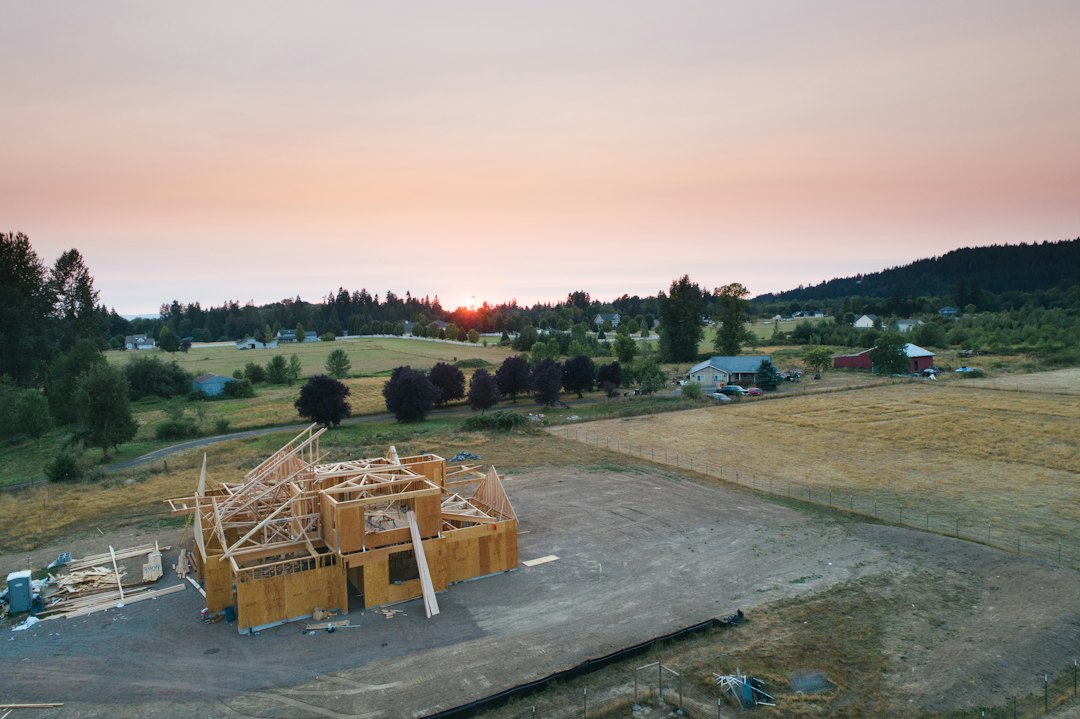
The most effective decisions are made early, while the design can still coordinate structure, envelope, and mechanical systems. Discuss comfort goals, local climate, budget, and expected operating patterns with the project team. A whole-building approach helps avoid spending money on isolated upgrades while overlooking the details that determine how the home actually performs.
Ask how the systems will be verified
Energy goals should be translated into details that can be checked during construction. Ask which insulation levels, air-sealing details, window specifications, ventilation rates, and equipment selections are included in the design. Clarify who will inspect concealed work and what documentation will be provided. At completion, request operating instructions and a demonstration of controls, filters, ventilation, and equipment maintenance. Homeowners should know which settings are intended for normal use and which changes may affect comfort or indoor air quality. Verification matters because a high-performance product cannot deliver its expected benefit if it is installed incorrectly or operated without the required maintenance. Treating testing and homeowner education as part of the project helps connect design intent to everyday performance.